
First Alert Smoke Alarm Manual: A Comprehensive Guide
This comprehensive guide details operation‚ installation‚ and troubleshooting for First Alert smoke alarms‚ including AC‚ 10-year sealed battery‚ and combination models. Read carefully!
Understanding Your First Alert Smoke Alarm
First Alert smoke alarms are crucial safety devices designed to provide early warning of fire‚ potentially saving lives. These alarms detect smoke particles in the air‚ triggering a loud alarm to alert occupants. Understanding the specific features of your model – whether AC powered‚ battery operated‚ or a combination smoke and carbon monoxide alarm – is paramount.
Carefully review the included manual‚ as it contains vital information regarding operation‚ limitations‚ and proper maintenance. Pay close attention to warnings and cautions‚ as they highlight potential hazards and ensure optimal performance. Remember‚ these alarms are intended for single-family residences only‚ and compatibility is key when interconnecting units.
Types of First Alert Smoke Alarms
First Alert offers a variety of smoke alarms to suit different needs. AC powered models‚ like the SM100V-AC‚ require a constant electrical connection and often feature battery backup. 10-Year Sealed Battery Alarms‚ such as the SM210L‚ provide a decade of power without battery replacement‚ and some include escape light functionality.
Traditional Battery Powered Alarms (e.g.‚ SMCO100) rely solely on batteries‚ requiring regular checks. Combination Smoke and Carbon Monoxide Alarms (SMICO100-AC‚ SMCO100V-AC) offer dual protection. Interconnection is possible with compatible models (SMI100-AC)‚ ensuring all alarms sound when one detects smoke.
AC Powered Smoke Alarms (e.g.‚ SM100V-AC)
The SM100V-AC is a reliable‚ AC-powered smoke alarm offering continuous protection with battery backup during power outages. Interconnection is a key feature; if one unit detects smoke‚ all interconnected alarms sound‚ enhancing safety throughout the home. Compatibility is confirmed with First Alert models SMI100-AC‚ SMICO100-AC‚ and SMCO100V-AC.
Proper installation within a single-family residence is crucial to avoid unwanted alarms in neighboring homes. This unit is not intended for marine or RV use. Regular testing ensures functionality‚ and the alarm’s voice alert provides clear warnings.
10-Year Sealed Battery Smoke Alarms (e.g.‚ SM210L)
The SM210L offers a decade of worry-free protection thanks to its sealed 10-year battery – no battery replacements needed! This model includes an innovative Escape Light feature‚ illuminating the path to safety during emergencies. Important: carefully read the manual and leave it with the end user if installing for others.
Pay close attention to the Dangers‚ Warnings‚ and Cautions outlined in the manual for safe operation. This alarm is approved solely for single-family residences and is unsuitable for marine or RV applications. Thank you for choosing First Alert for your smoke alarm needs!
Battery Powered Smoke Alarms (e.g.‚ SMCO100)
The SMCO100 is a battery-powered smoke and carbon monoxide alarm‚ offering dual protection in one unit. Crucially‚ the manual contains vital information regarding operation and limitations. If installing for others‚ ensure the manual (or a copy) is left with the end user. This alarm requires functioning batteries to operate correctly.
Review the warnings/limitations card and manual thoroughly before installation. Thank you for selecting First Alert for your smoke and carbon monoxide detection needs. Proper placement and regular testing are essential for optimal performance and safety.
Combination Smoke and Carbon Monoxide Alarms (e.g.‚ SMICO100-AC‚ SMCO100V-AC)
First Alert combination alarms‚ like the SMICO100-AC and SMCO100V-AC‚ provide comprehensive protection against both smoke and carbon monoxide. Interconnection is a key feature; if one unit detects smoke‚ all interconnected alarms will sound. However‚ interconnect only within a single-family residence to avoid unwanted alarms from neighboring homes during testing.
Compatibility is vital: these units are designed to work with First Alert models SM1100-AC‚ SMICO100-AC‚ and SMCO100V-AC. Ensure all requirements are met for successful interconnection. The manual details important operating instructions and potential hazards – read it carefully!
Installation Guidelines
Proper installation is crucial for effective smoke alarm operation. Carefully review the manual before beginning. Placement matters: install alarms on every level of your home‚ inside and outside bedrooms. Interconnecting alarms enhances safety – when one detects smoke‚ all interconnected units sound‚ providing earlier warning.
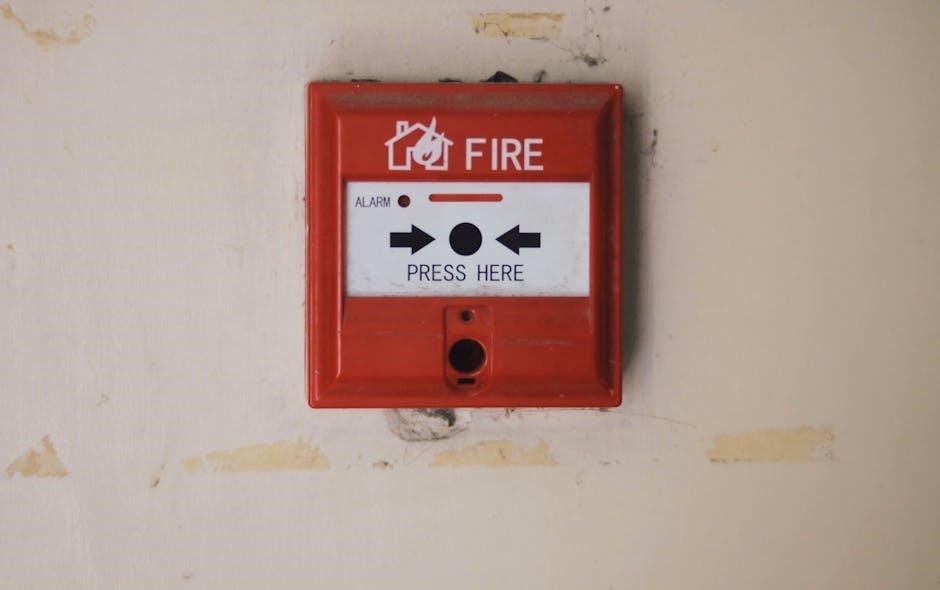
Remember‚ interconnected systems require compatible units and adherence to all installation requirements. These alarms are designed for single-family residences only. Incorrect wiring can cause unwanted alarms. Always leave the manual or a copy with the end user if installing for others.
Proper Placement of Smoke Alarms
Strategic placement maximizes effectiveness. Install smoke alarms on every level of your home‚ including the basement. Inside each bedroom and outside sleeping areas is essential. Avoid placing alarms near kitchens or bathrooms to minimize false alarms from cooking steam or humidity.
Mount alarms on the ceiling or high on walls‚ as smoke rises. Do not install in corners where airflow is obstructed. Follow the manufacturer’s guidelines for specific model recommendations. Proper placement ensures early detection‚ providing crucial time to escape in a fire emergency. Remember‚ single-family residence use only.
Interconnecting Smoke Alarms
Interconnection offers enhanced safety. When one alarm detects smoke‚ all interconnected alarms sound‚ alerting everyone in the home‚ even if the fire originates far from their location. Compatible models‚ like SM100V-AC‚ SMI100-AC‚ SMICO100-AC‚ and SMCO100V-AC‚ can be wired together.
Ensure proper wiring and meet all requirements for successful interconnection. Avoid interconnecting with units from other manufacturers. Testing is crucial to verify the system functions correctly. Interconnection is limited to a single-family residence; otherwise‚ unwanted alarms may occur. This provides a comprehensive warning system for increased protection.
Alarm Features and Functions
First Alert smoke alarms boast several key features designed to maximize safety and awareness. Voice alert capabilities clearly announce the type of danger‚ providing crucial information during an emergency. Certain models‚ like the SM210L‚ include an escape light‚ illuminating the path to safety during power outages.
Interconnected systems ensure all alarms activate simultaneously upon detection. Carefully review the manual for specific features of your model. These functions work together to provide a comprehensive and responsive fire safety system‚ offering peace of mind and potentially life-saving assistance.
Voice Alert Capabilities
First Alert smoke alarms equipped with voice alert technology offer a significant advantage over standard alarms. Instead of just a beep‚ these alarms clearly announce the presence of smoke‚ providing vital information during a stressful emergency. This feature is particularly helpful for children‚ the elderly‚ or anyone who may have difficulty understanding the nature of the alarm.
Clear voice announcements reduce confusion and enable quicker‚ more informed responses. Always test this feature regularly to ensure proper functionality. This capability enhances overall safety and can be crucial in minimizing reaction time during a fire event.
Escape Light Functionality (Model SM210L)
The First Alert SM210L incorporates an innovative escape light feature‚ designed to illuminate your path during nighttime emergencies. When the alarm detects smoke‚ a bright‚ integrated light activates‚ providing crucial visibility to navigate through darkened hallways and towards exits. This feature is especially beneficial in unfamiliar surroundings or for individuals with mobility challenges.
The escape light enhances safety by reducing the risk of trips and falls during evacuation. Regular testing of both the alarm and the light is essential to confirm operational readiness. This added functionality provides peace of mind and can significantly improve your chances of a safe escape.
Interconnected Alarm System Operation
First Alert interconnected smoke alarms offer enhanced protection by ensuring that when one alarm detects smoke‚ all interconnected units sound an alarm simultaneously. This is particularly crucial for larger homes or multi-story dwellings‚ providing early warning throughout the entire residence. Compatibility is key; the SM100V-AC model works with SMI100-AC‚ SMICO100-AC‚ and SMCO100V-AC.
Proper wiring is essential for successful interconnection‚ limited to single-family residences. Testing the system involves activating one unit and verifying that all others respond. Avoid interconnecting with units from other manufacturers to prevent unwanted alarms and ensure reliable operation.
Testing and Maintenance
Regular testing is vital to ensure your First Alert smoke alarm functions correctly. Press the test button weekly to simulate a smoke condition and verify the alarm sounds. For battery-powered models (like SMCO100)‚ replace batteries immediately when a “chirp” indicates low power. Cleaning is also crucial; gently vacuum or dust the alarm housing monthly to remove debris that could interfere with sensor operation.
Avoid using cleaning agents‚ as they may damage the sensor. Follow the manufacturer’s guidelines for specific maintenance procedures. Consistent testing and maintenance maximize the reliability and lifespan of your smoke alarm‚ providing continuous protection for your home and family.
Regular Testing Procedures

Weekly testing is paramount for ensuring optimal performance of your First Alert smoke alarm. Locate the test button – typically prominent on the alarm’s face – and press and hold it for several seconds. Listen for a loud‚ piercing alarm sound‚ confirming the electronic circuitry and horn are functioning as expected. If no sound occurs‚ immediately address the issue‚ checking battery levels (if applicable) or seeking professional assistance.
Document each test to maintain a record of consistent monitoring. Testing simulates a fire condition‚ verifying the alarm’s responsiveness. Never use open flames to test the alarm; the test button provides a safe and effective method.
Battery Replacement (for Battery Powered Models)
When the alarm chirps‚ it signals low battery power – a critical warning requiring immediate attention. Remove the alarm from its mounting bracket and open the battery compartment‚ usually located on the back or side. Replace the old battery with a new one of the correct type‚ as specified in the manual. Ensure proper polarity (+ and -) alignment during installation;
Test the alarm immediately after battery replacement to confirm functionality. Dispose of used batteries responsibly‚ following local regulations. Avoid mixing old and new batteries‚ as this can reduce performance and lifespan.
Cleaning Your Smoke Alarm
To maintain optimal performance‚ periodically clean your First Alert smoke alarm. Dust and debris can accumulate‚ potentially causing false alarms or hindering sensitivity. Gently vacuum the exterior of the alarm using a soft brush attachment. Avoid using water‚ cleaning solvents‚ or detergents‚ as these can damage the sensor.
Do not disassemble the alarm for cleaning‚ as this may void the warranty and compromise its functionality. Clean the alarm every six months‚ or more frequently if necessary‚ in dusty environments. Regular cleaning ensures reliable operation and extends the alarm’s lifespan.
Troubleshooting Common Issues
Experiencing issues with your First Alert smoke alarm? Common problems include false alarms‚ chirping‚ and malfunctions. False alarms can often be prevented by ensuring proper placement and avoiding exposure to steam or cooking fumes. Alarm chirping typically indicates a low battery (for battery-powered models) or a need for cleaning.
If the alarm malfunctions‚ first try resetting it. If problems persist‚ consult the manual for model-specific troubleshooting steps. Remember interconnected alarms may require checking all units in the system. Do not disable the alarm; address the issue promptly to ensure continued safety.
False Alarm Prevention
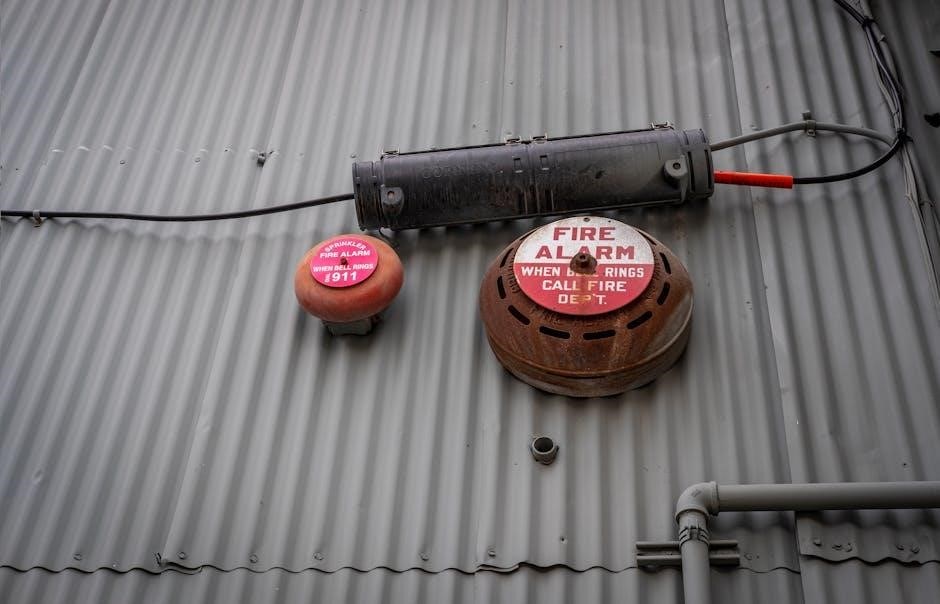
Minimizing false alarms is crucial for maintaining trust in your First Alert smoke alarm. Avoid installing alarms near kitchens‚ bathrooms‚ or areas with high humidity‚ as steam and cooking fumes can trigger them. Ensure the alarm is free from dust and debris through regular cleaning.
Proper ventilation can also help. Test alarms regularly to confirm functionality‚ but avoid testing near cooking activities. Be mindful of aerosol sprays and other airborne particles. If false alarms persist‚ consider relocating the unit to a more suitable location within your home‚ following installation guidelines.
Alarm Chirping and What It Means
A chirping sound from your First Alert smoke alarm typically indicates a low battery‚ even in 10-year sealed battery models nearing their end-of-life. However‚ it can also signal a malfunction. For battery-powered units‚ immediate battery replacement is necessary. For sealed battery models‚ the unit needs replacement after ten years.
Consistent chirping after battery replacement or within the ten-year lifespan suggests a potential issue. Dust or debris can sometimes cause intermittent chirps; cleaning the unit may resolve this. If the chirping continues‚ consult the troubleshooting section or contact First Alert customer service for assistance.
Addressing Alarm Malfunctions
If your First Alert smoke alarm malfunctions‚ first attempt a reset by removing power (AC units) or briefly disconnecting the battery (battery-powered units). Ensure proper installation and compatibility when interconnecting alarms – incompatible units cause issues. Persistent malfunctions require further investigation.
Check for dust or debris obstructing the sensor. If the alarm continues to fail‚ it may need replacement‚ especially for 10-year sealed battery models beyond their lifespan. Do not attempt to repair the unit yourself; contact First Alert customer service for guidance and potential warranty claims. Safety is paramount; a malfunctioning alarm compromises protection.
Safety Information and Warnings
First Alert smoke alarms are crucial safety devices‚ but understanding their limitations is vital. These alarms are approved for single-family residences only; avoid use in marine or RV applications. Pay close attention to “Dangers‚ Warnings‚ and Cautions” throughout the manual – they highlight critical operating instructions and potential hazards.
Smoke alarms are not foolproof; they may not detect fires in all situations. Regular testing and maintenance are essential for reliable operation. Never disable an alarm‚ even during nuisance activations; investigate the cause instead. A working smoke alarm significantly increases your chances of survival‚ but responsible use is key.
Dangers‚ Warnings‚ and Cautions
Carefully review these alerts for safe and effective operation. Dangers indicate immediate hazards that could result in serious injury or death. Warnings highlight potentially hazardous situations and precautions to take. Cautions emphasize operating instructions crucial for proper functionality.
Never attempt to repair the alarm yourself; doing so could compromise its performance. Do not paint or cover the alarm‚ as this obstructs smoke detection. This unit cannot operate without working batteries (for battery-powered models). Always test the alarm monthly and replace batteries as needed. Follow all local codes regarding smoke alarm installation.
Limitations of Smoke Alarms
Smoke alarms are not foolproof and have limitations. They may not detect fires in every situation‚ especially those starting slowly or in remote areas. Smoke may not reach the alarm if a fire originates where airflow is blocked. These alarms are not designed for marine or recreational vehicle (RV) use; single-family residences only.
They are ineffective at detecting carbon monoxide (unless a combination alarm). Regular maintenance is crucial; dust and debris can impair functionality. False alarms can occur due to cooking fumes or steam. Always have an escape plan and practice it regularly‚ as alarms provide only a warning‚ not a guarantee of safety.
Appropriate Use – Single-Family Residences Only
First Alert smoke alarms are specifically approved for installation and use within single-family homes. Interconnecting units is only recommended within a single residence to avoid unwanted alarms in neighboring households during testing. These devices are not intended for use in mobile homes‚ RVs‚ boats‚ or other non-residential structures.
Attempting to use these alarms in inappropriate environments may compromise their effectiveness and void any warranty. Proper wiring and compatibility are essential when interconnecting alarms; use only compatible First Alert models like SM100V-AC‚ SMI100-AC‚ SMICO100-AC‚ and SMCO100V-AC. Adhering to these guidelines ensures optimal performance and safety.
Model-Specific Information
Detailed instructions vary by model. The SM100V-AC is an AC-powered alarm with voice alerts‚ designed for interconnected systems with compatible First Alert units. The SM210L features a 10-year sealed battery and an escape light‚ offering extended reliability and visibility during emergencies.
The SMCO100 is a battery-powered combination smoke and carbon monoxide alarm‚ providing dual protection. Always refer to the specific manual for your model – available online at firstalert.com – for detailed installation‚ testing‚ and maintenance procedures. Understanding your model’s features is crucial for optimal safety and performance.
First Alert SM100V-AC Manual Details
The SM100V-AC is AC-powered with a voice alarm‚ interconnecting with compatible First Alert models (SMI100-AC‚ SMICO100-AC‚ SMCO100V-AC) within a single-family residence. Interconnection is key – testing one unit alarms all connected devices. Avoid interconnecting across households to prevent unwanted alarms.
Installation requires proper wiring to compatible units. This alarm is designed for indoor use only. Refer to the manual for detailed wiring diagrams and safety precautions. The voice alert feature provides clear emergency notifications. Regular testing ensures functionality‚ and the AC power source offers continuous protection.
First Alert SM210L Manual Details
The SM210L features a 10-year sealed battery and an escape light‚ offering reliable protection without battery replacements for a decade. This model is approved for single-family residences‚ but not for marine or RV use. Carefully read the manual before installation‚ paying attention to dangers‚ warnings‚ and cautions.

The manual emphasizes leaving it with the end user if installing for others. The escape light aids visibility during emergencies. Proper operation relies on a functioning battery – no external power source is needed. Thank you for choosing First Alert for your smoke alarm needs; prioritize safety!
First Alert SMCO100 Manual Details
The SMCO100 is a battery-powered combination smoke and carbon monoxide alarm‚ providing dual protection. Important information regarding operation and limitations is found in the included manual and warnings card. If installing for others‚ ensure they receive the manual or a copy. This unit detects both smoke and CO‚ alerting you to separate dangers.
Regularly test the alarm to confirm functionality; The manual details proper placement and troubleshooting steps. Thank you for selecting First Alert for your smoke and carbon monoxide safety needs. Prioritize safety by understanding the alarm’s features and limitations.
Additional Resources
For further assistance and detailed information‚ visit the official First Alert website for comprehensive support resources. Locate your specific model’s manual online by searching the model number – SM100V-AC‚ SM210L‚ or SMCO100 – on their site. Directly contacting First Alert customer service provides personalized help with any questions or concerns you may have regarding installation‚ operation‚ or troubleshooting.
These resources offer expanded guidance beyond the printed manual. Ensure you utilize these tools to maximize your safety and understanding of your First Alert smoke alarm system. Prioritize safety by staying informed and prepared.
First Alert Website and Support
The First Alert website‚ firstalert.com‚ serves as a central hub for all product information and support needs. Here‚ you can find downloadable manuals for various models‚ including the SM100V-AC‚ SM210L‚ and SMCO100‚ ensuring you have the latest guidance. Explore their extensive FAQ section for answers to common questions regarding installation‚ testing‚ and maintenance. Benefit from troubleshooting guides designed to resolve typical alarm issues quickly and efficiently.
First Alert’s online resources are designed to empower users with the knowledge to maintain a safe home environment. Utilize these tools for optimal alarm performance and peace of mind.
Finding the Manual Online
Locating your First Alert smoke alarm manual online is straightforward. Begin by visiting the official First Alert website‚ firstalert.com. Navigate to the “Support” or “Manuals” section‚ often found in the website’s footer. Utilize the search function‚ entering your specific model number – such as SM100V-AC‚ SM210L‚ or SMCO100 – to quickly pinpoint the correct document.
Alternatively‚ a general web search using “First Alert [model number] manual” will yield direct links to downloadable PDFs. Ensure the source is the official First Alert site to guarantee accuracy and completeness. Having the manual readily available ensures proper installation and maintenance.
Contacting First Alert Customer Service
For personalized assistance with your First Alert smoke alarm‚ reaching their customer service team is vital. Visit the “Contact Us” page on the official First Alert website‚ firstalert.com‚ to find available options. Typically‚ these include a phone number for direct support and an online contact form for submitting inquiries.
Be prepared to provide your model number and a detailed description of your issue. Customer service representatives can offer troubleshooting guidance‚ answer questions about features‚ and assist with warranty claims. Prompt and helpful support ensures your safety and peace of mind.